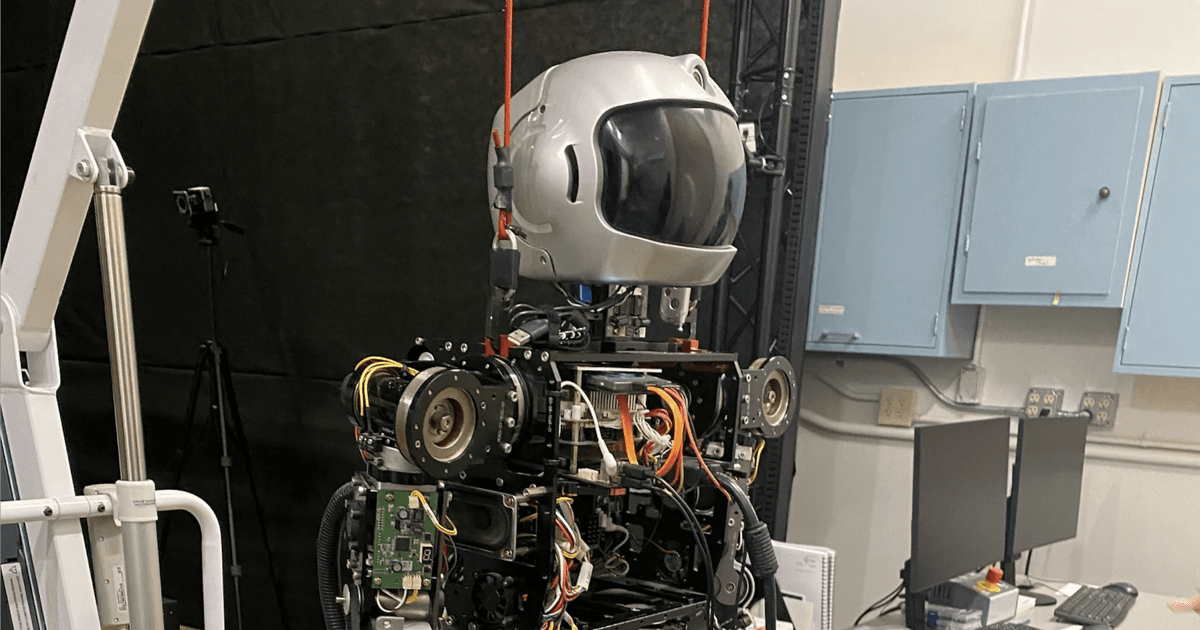



























Mechanics
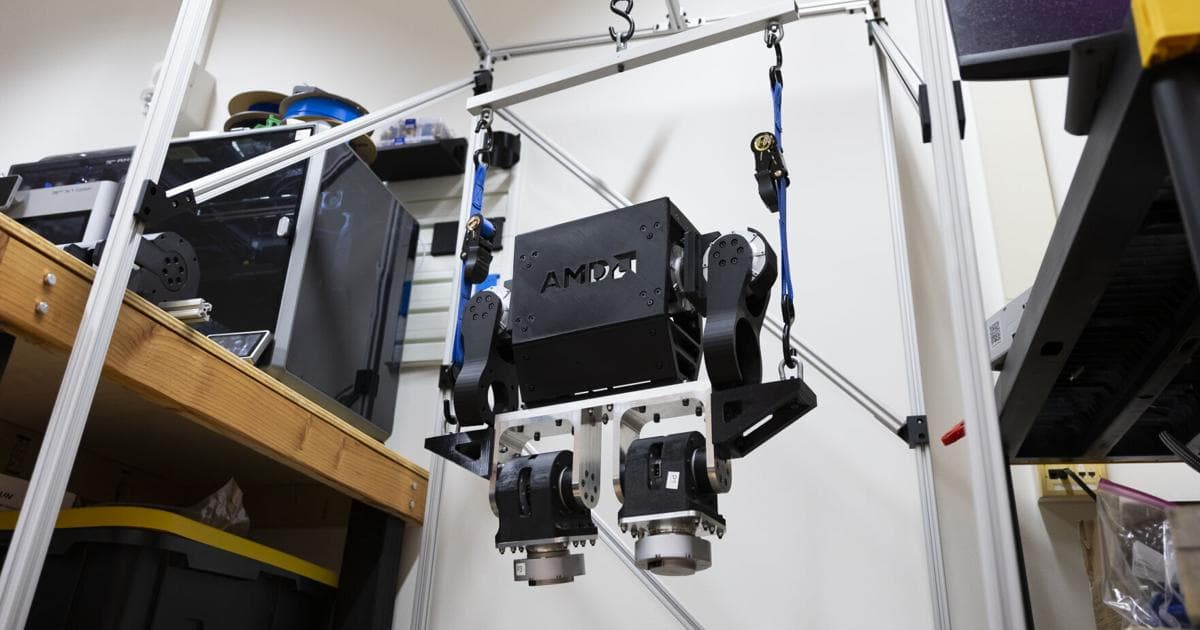
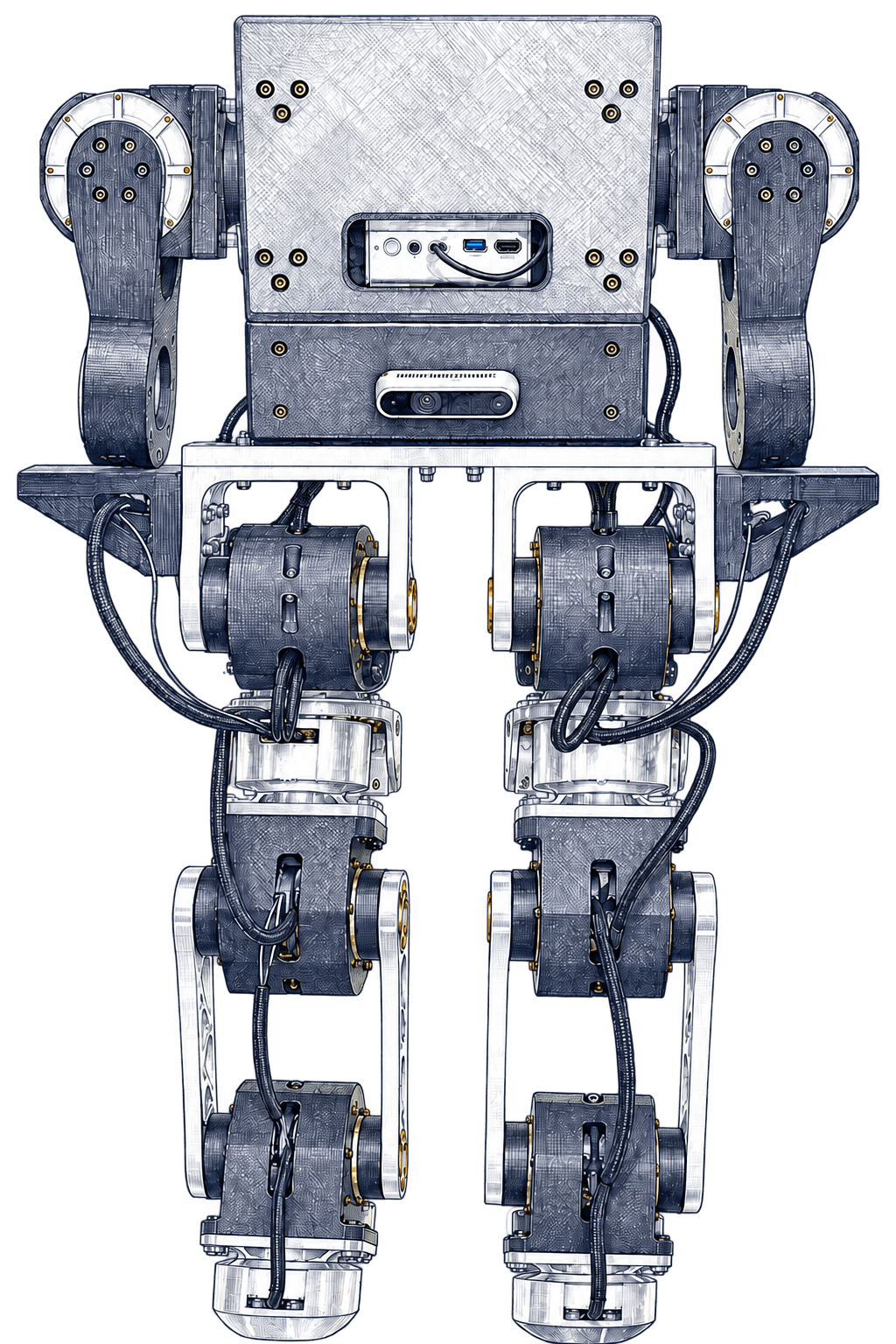
12 degrees of freedom, with Unitree actuators at the hips, knees, and ankles.

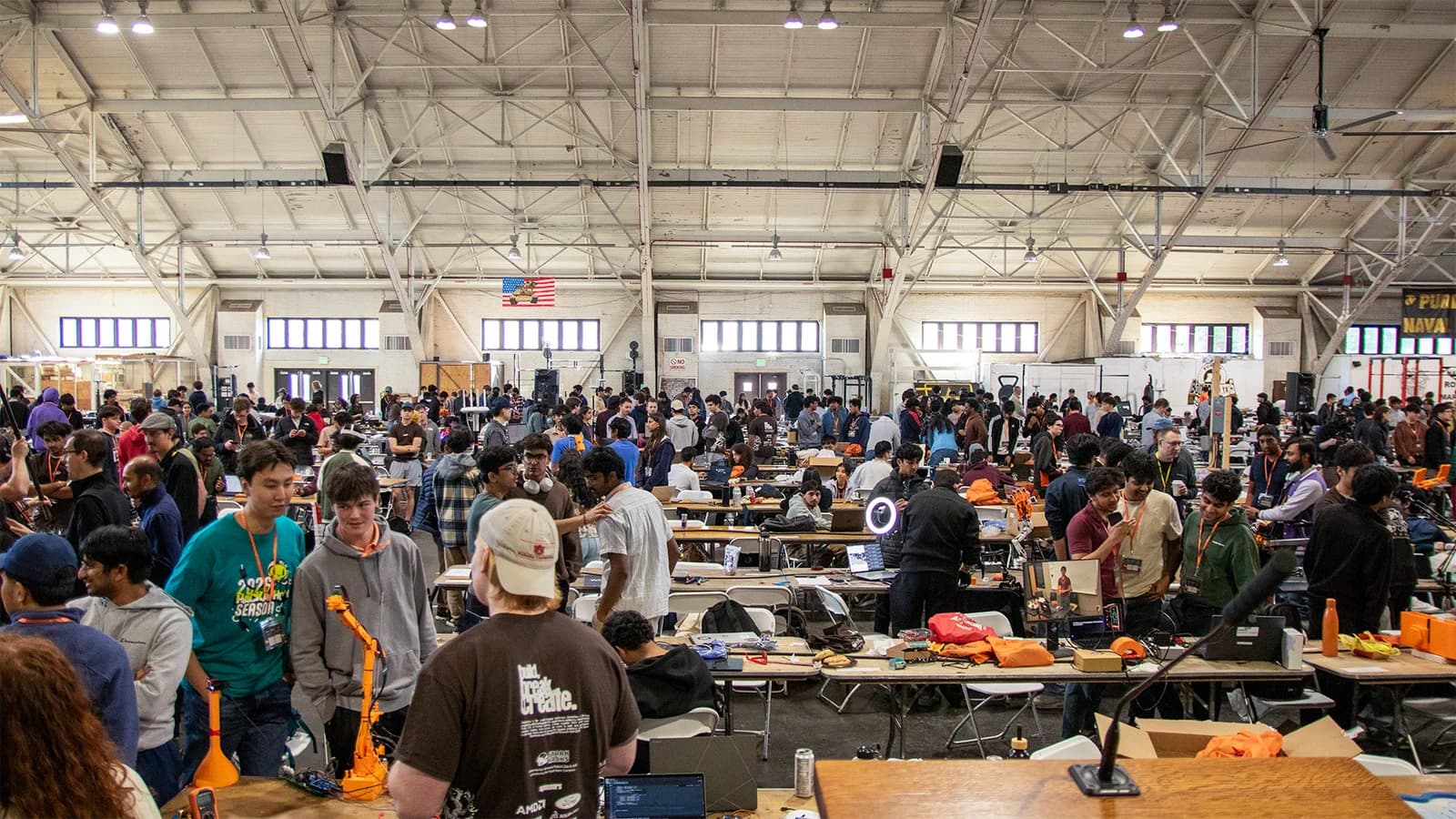
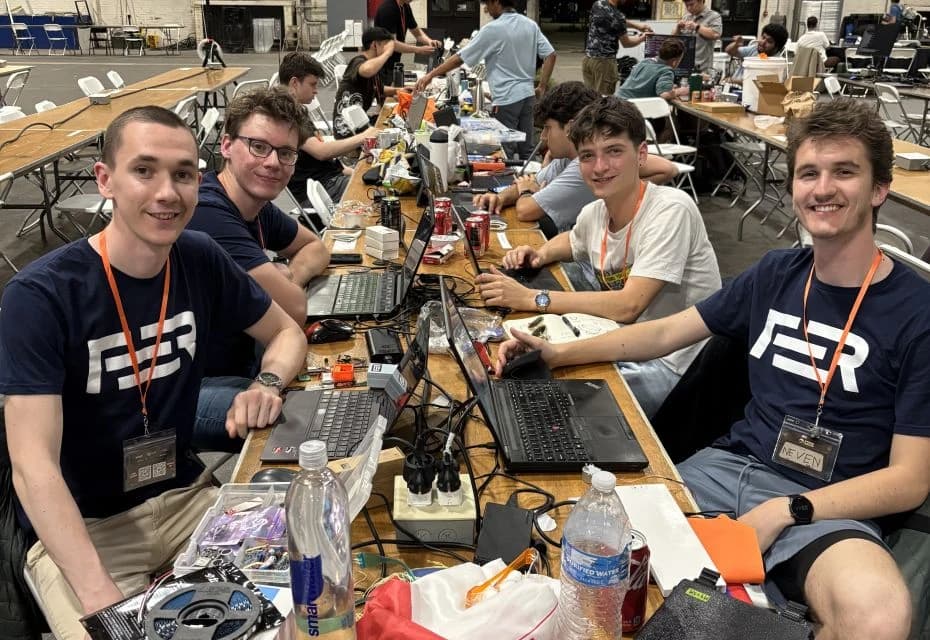
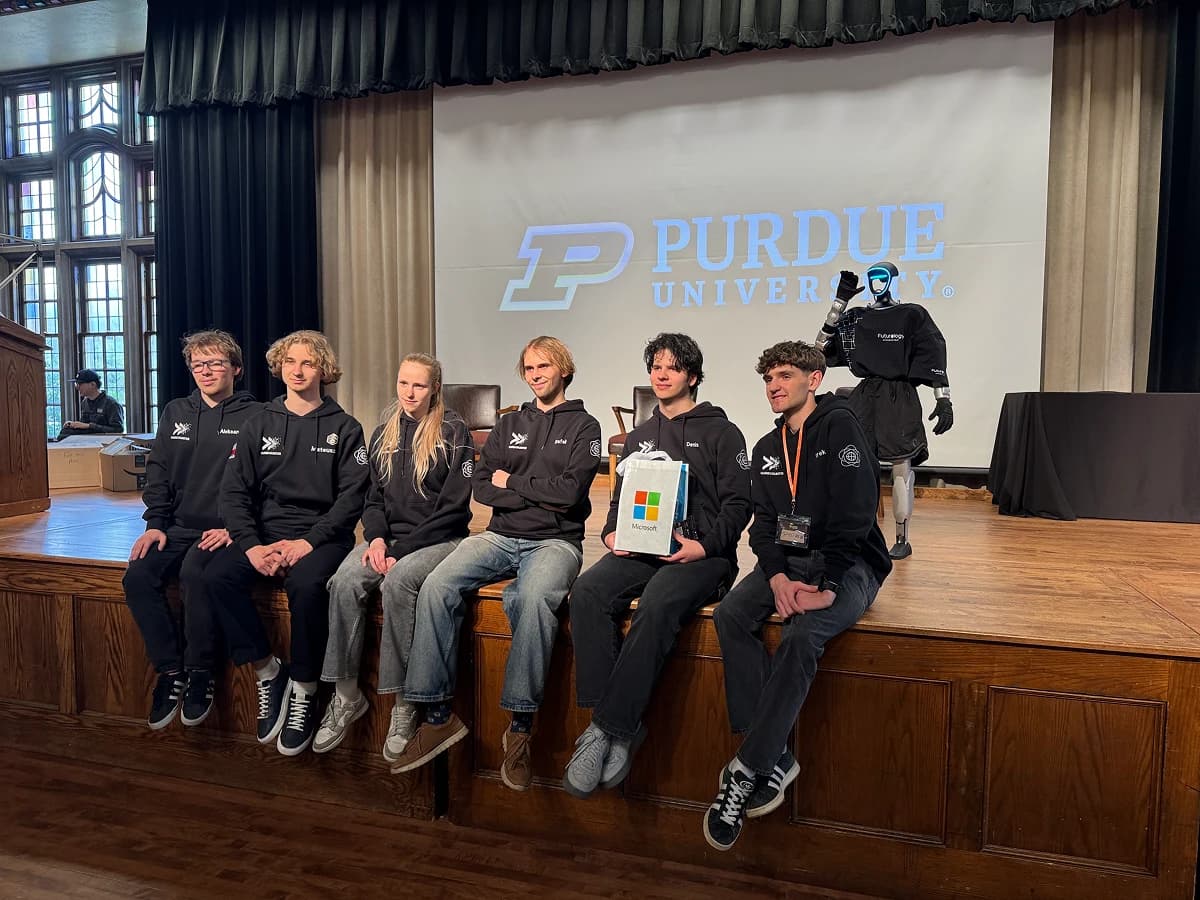
We’re Purdue students designing, building, and testing humanoid robots.
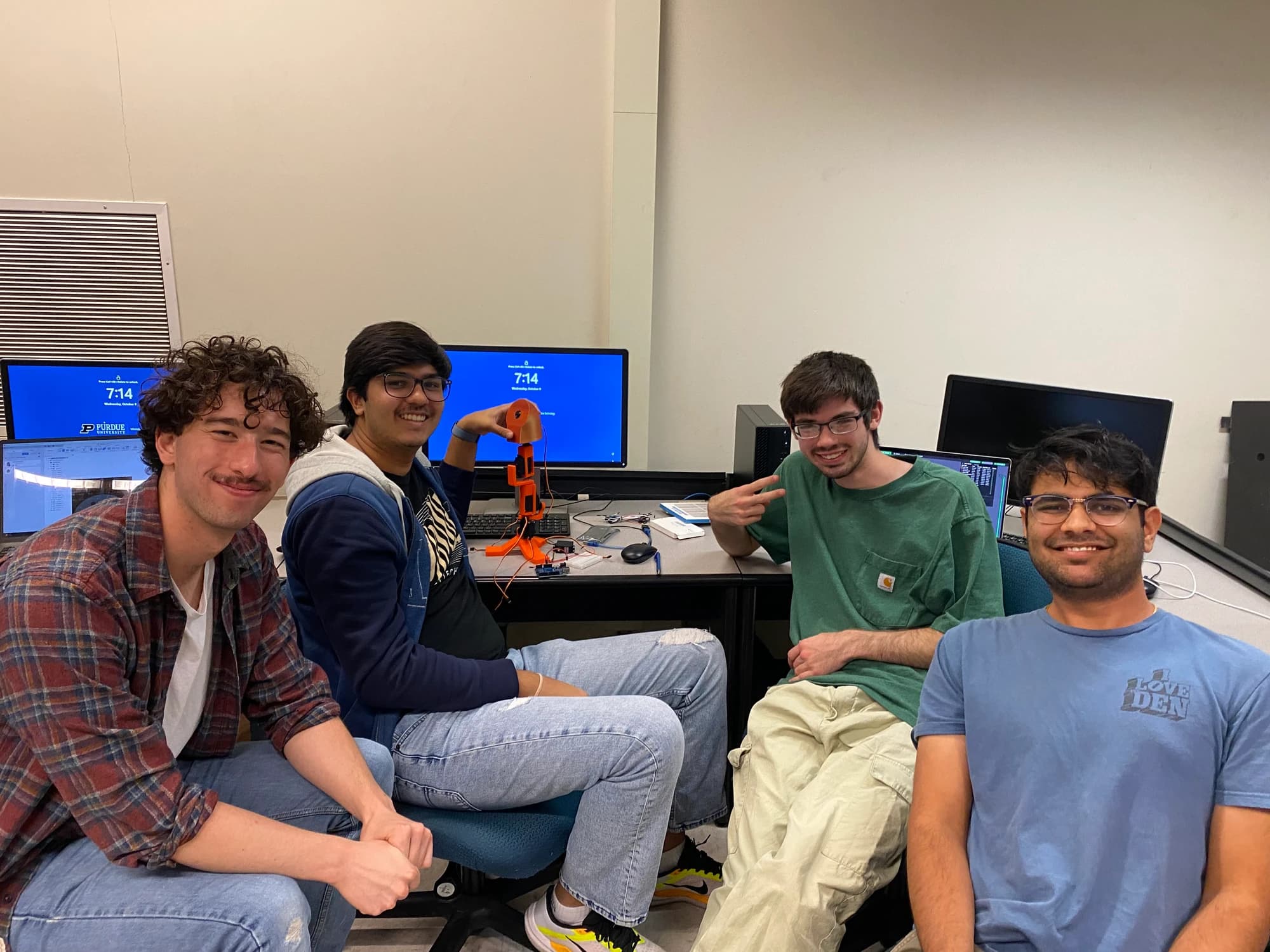
We bring mechanical, electrical, and software engineering together to build robots. Our long-term goal is a humanoid that can use equipment designed for astronauts.
About the club12 degrees of freedom, with Unitree actuators at the hips, knees, and ankles.
AMD Ryzen AI runs NEMO’s walking policy onboard.

MuJoCo simulation, JAX control policies, and ROS 2 integration.
An eight-degree-of-freedom robot cat, starting with a 3D-printed frame and Unitree M8010 motors. Vision and autonomous control will follow.
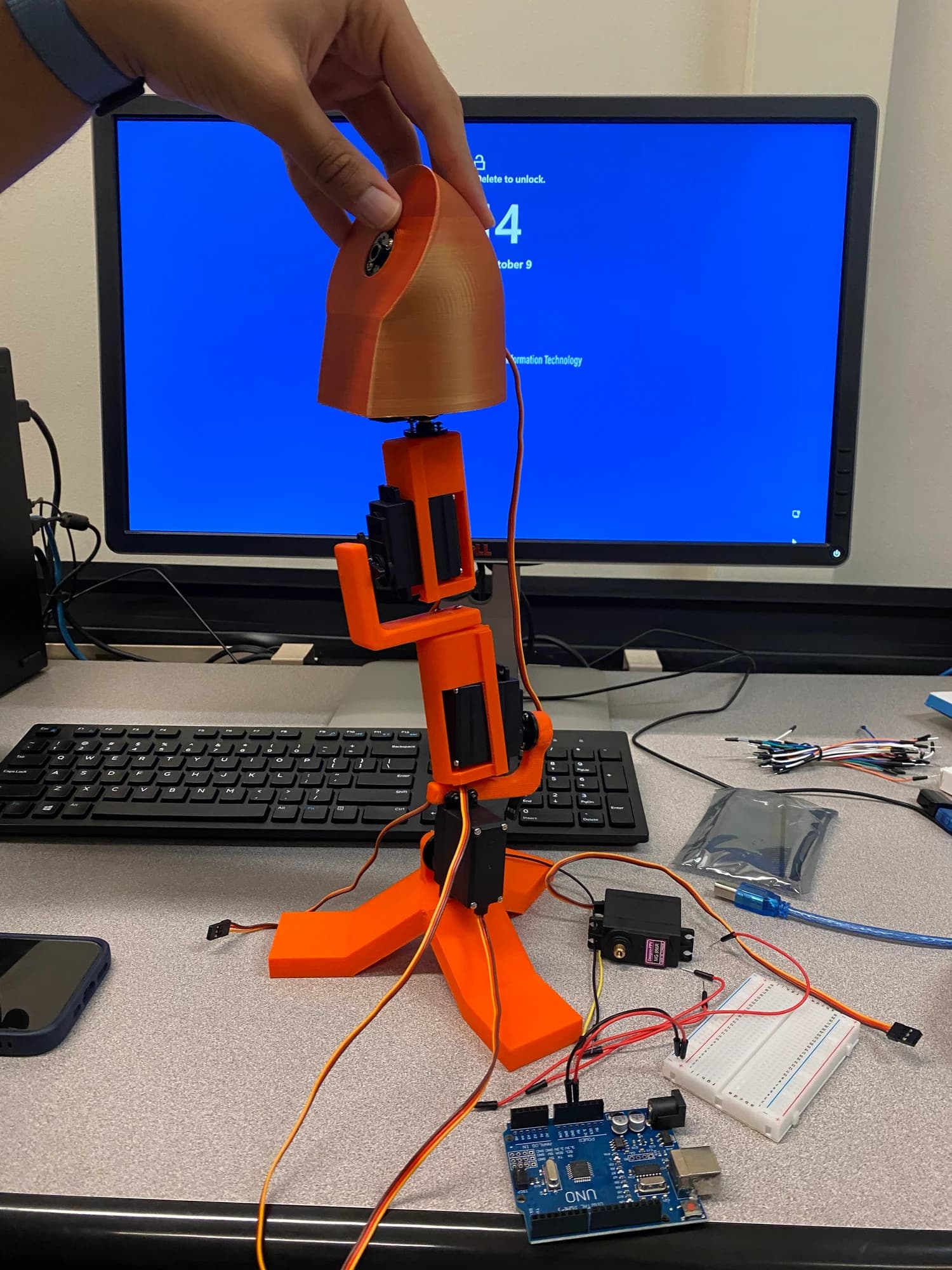
Project detailsA leader–follower arm in early development, exploring six degrees of freedom and interchangeable end effectors.
Project details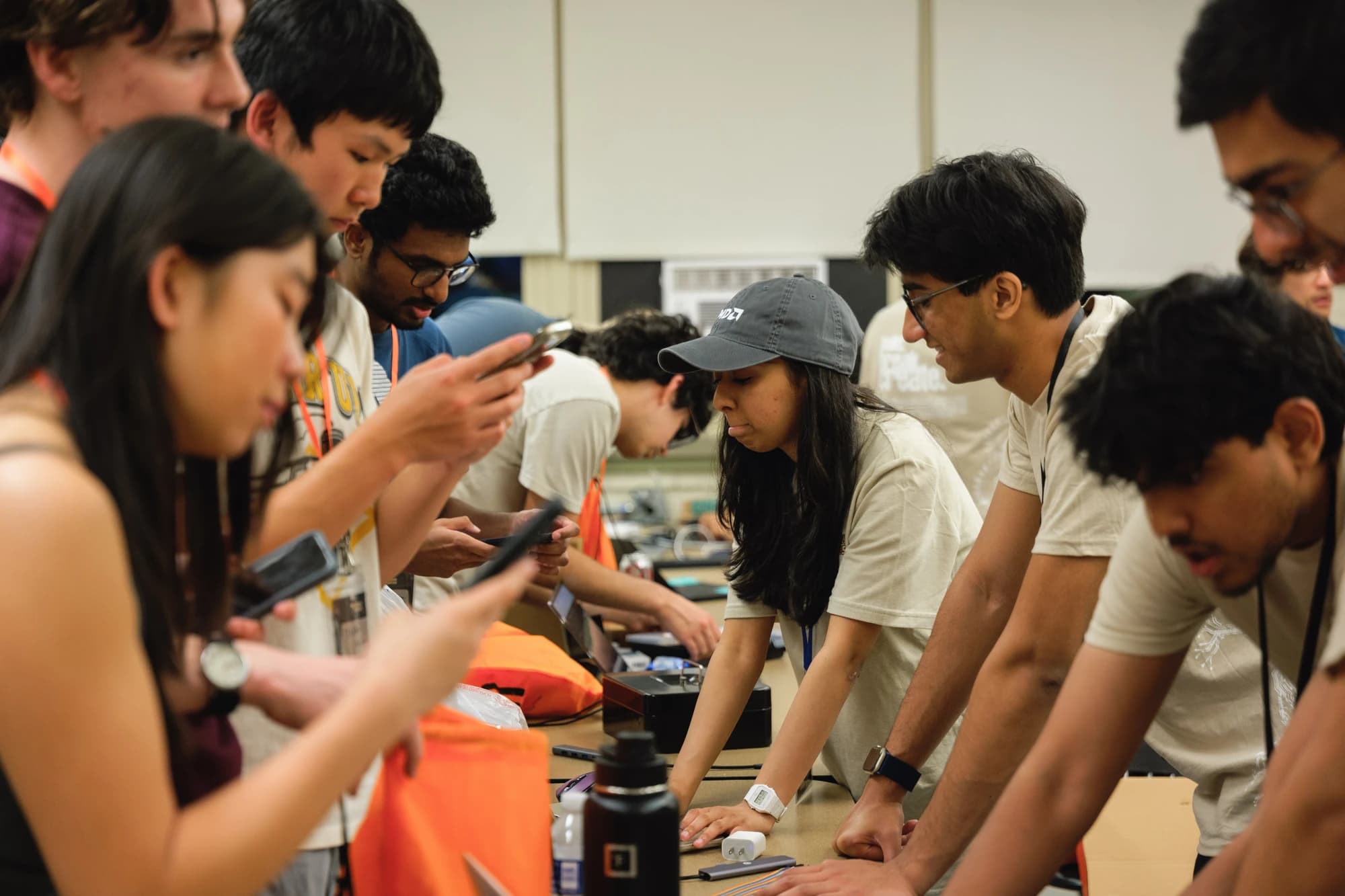
Your vision of sending a humanoid robot to space is remarkable. The depth of this project is inspiring, and I'm eagerly looking forward to witnessing its journey and impact.
 Lucy Flesch Frederick L. Hovde Dean, College of Science
The Humanoid Robot Club's innovative approach to robotics is truly inspiring and mirrors the kind of research excellence we strive for at Purdue. I am excited to see the incredible advancements and breakthroughs they will achieve.
 Karen Plaut, PhD Executive Vice President for Research, Purdue
I'm really excited about the opportunities this club provides. Projects like space robotics are fascinating and offer great potential for innovation. It's a pioneering initiative that's shaping the future.
 William A. Crossley Head, School of Aeronautics and Astronautics
Humanoid robot interaction is a significant domain within industrial engineering, and it's amazing to see a student club dedicated to exploring this field. I fully support this club's efforts and urge more industrial engineering students to join.
 Young-Jun Son James J. Solberg Head, School of Industrial Engineering
The Humanoid Robot Club's project to send a humanoid robot to space is truly impressive. Their innovative spirit and technical skill push the boundaries of mechanical engineering.
 Eckhard A. Groll Head, School of Mechanical Engineering
I am thrilled about the Humanoid Robot Club's collaboration with ECE. The integration of electrical and computer engineering expertise with robotics innovation is groundbreaking.
 Milind Kulkarni Michael and Katherine Birck Head, School of ECE
I am overjoyed to see leaders from the Polytechnic Institute involved in this club. The students' work and their visionary goal of sending a humanoid robot to space is truly revolutionary.
 Daniel Castro Dean, Purdue Polytechnic Institute
Titles reflect roles at the time of each quote.